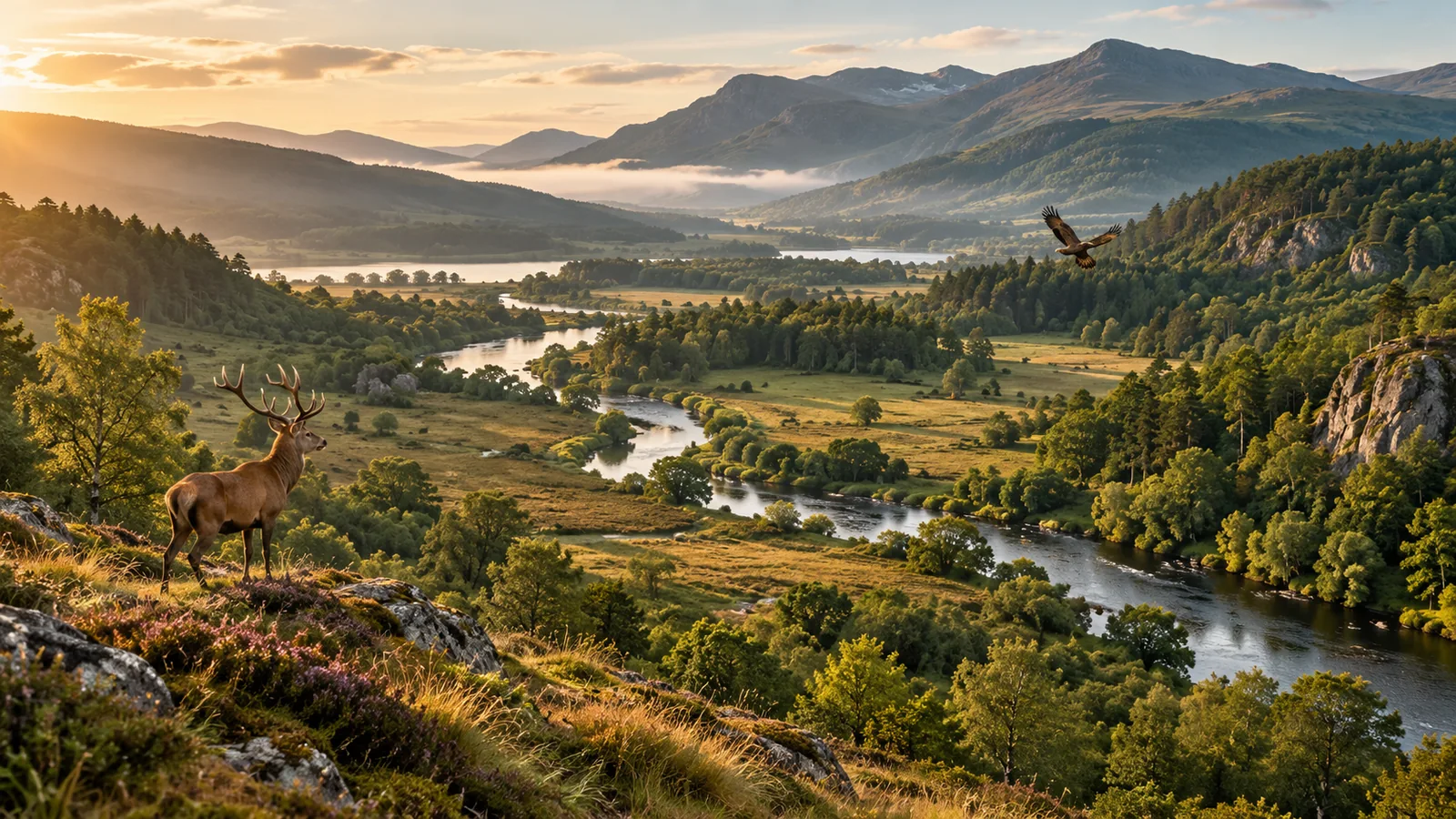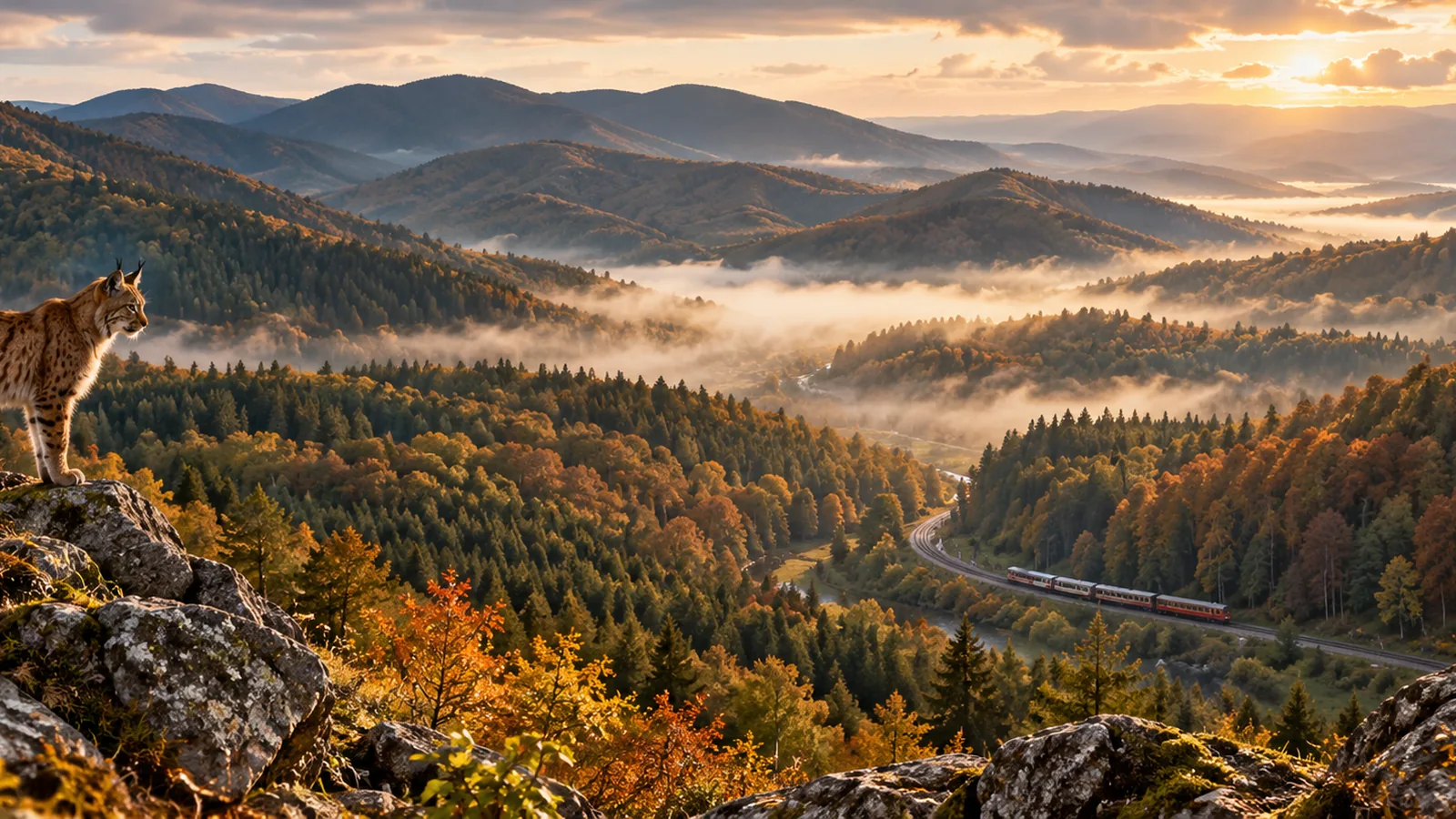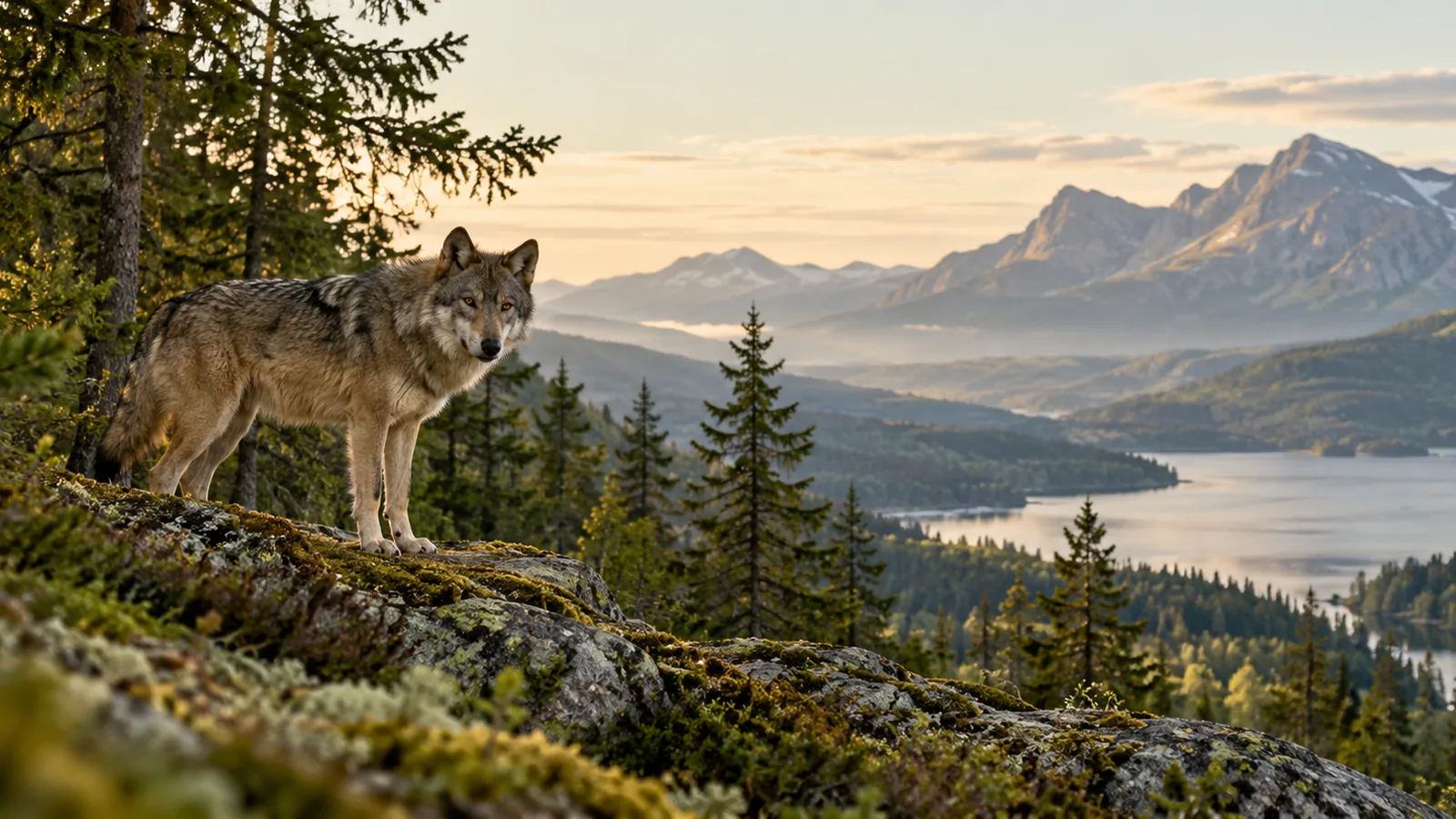
Wolves have returned to parts of Europe through natural dispersal and recolonization, not a continent-wide reintroduction programme. Their recovery raises questions about habitat, livestock, rural livelihoods and public trust. For travelers, a responsible wolf-focused visit is primarily an opportunity to understand that shared landscape; a sighting should remain an uncertain possibility.
A return with different regional stories
Europe is not one wolf population with a single experience of recovery. Mountain regions, agricultural plains and heavily settled landscapes differ in their history, prey, land use and public attitudes. A headline about wolves returning to one country tells little about the situation in another valley.
The European Commission's large carnivore information explains the role of natural recolonization. That distinction matters: describing every returning wolf as released by conservationists can distort discussion and local expectations. Ask a guide which population and landscape they are discussing, and how current information is collected.
Why connected habitat matters
An animal moving between suitable areas encounters more than forest. Roads, settlements and land-use boundaries influence movement and risk. Conservation is not limited to drawing a protected area on a map; the spaces between protected places can matter too.
Visitors can explore this idea without seeking sensitive locations. A guide may use public maps, established viewpoints and general habitat interpretation to explain movement. Do not ask for den coordinates, follow monitoring teams or post precise locations of vulnerable animals online. Learning does not require access to everything researchers know.
Coexistence is practical work
People living with wolves may face costs and responsibilities that a visitor does not. Livestock protection, husbandry, support arrangements and public communication belong in an honest account of conservation. Treating local concern as ignorance makes understanding harder.
Ask how coexistence measures work in the area, who maintains them and where difficulties remain. A responsible guide should distinguish evidence from opinion and acknowledge disagreement. A good trip can support a local business while giving you a more complicated view of the issue than the one you arrived with.
A wolf landscape is not a wildlife stage
Wolves can remain unseen in places where they live. Forest cover, distance, weather and animal behavior all affect observation. A footprint or a distant sound may be interpreted cautiously; neither should be turned into certainty without expertise.
If a guide advertises tracking, clarify what that means. It may involve reading signs on permitted routes rather than following an animal. Ask whether the activity avoids sensitive sites, respects land access and stops if disturbance becomes likely. An operator willing to explain limits is more credible than one promising a dramatic encounter.
Choose your activity carefully
Slovakia's forest landscapes, Slovenia's Dinaric setting and Italy's Apennines can all provide context for learning about large carnivores. That does not mean each place has the same visitor offer or that an outing is currently available. Verify the particular provider and access rules before planning around it.
Consider a natural history walk, an interpretation centre or a discussion with a qualified local guide. These can be more informative than a long watch aimed at a brief glimpse. Our Poloniny visitor guide focuses on forest ecology, while the Slovenia guide addresses a different form of large-mammal observation.
Avoid behavior that changes the animals
Do not feed wolves, leave attractants or imitate calls to provoke a response. Avoid approaching a carcass, resting animal or suspected breeding site. Keep to local rules for dogs and consider whether a dog belongs on the planned activity.
Photography should not dictate distance. Use a long lens from an appropriate, lawful location and accept that no image may result. Flash, drones and night equipment can be restricted or unsuitable. Ask before bringing them, and let the guide's welfare decision override the desire for a photograph.
Read population claims with care
A number needs a date, a geographic boundary and a method. Estimates, confirmed breeding groups and minimum counts describe different things. Comparing them without context can create a misleading impression of rapid change or certainty.
This guide deliberately avoids a live population total. For current figures, consult the relevant monitoring authority or scientific assessment and read its limitations. Legal protection and management rules also vary and can change. A visitor article is not a substitute for current national rules or specialist advice about them.
Support learning without demanding access
Pay fairly for local knowledge. Ask how any claimed conservation contribution is documented and whether the activity has permission to operate where it goes. A donation can support useful work, but it does not purchase entry to restricted habitat or a closer encounter.
Share your experience with the same restraint. Describe what was observed, what was explained and what remained uncertain. Avoid presenting an AI-generated or captive-animal image as evidence of a wild encounter. Clear distinctions protect readers and reduce the pressure created by unrealistic expectations.
Questions visitors often ask
Were Europe's wolves all reintroduced?
No. The European Commission describes natural return through dispersal and recolonization across the EU. Regional history still deserves careful checking.
Is seeing tracks enough to identify a wolf?
Not for most visitors. Identification can be difficult, and a cautious guide may leave a sign uncertain.
Does a guided trip guarantee safety or sightings?
Neither can be guaranteed absolutely. Choose competent providers, follow current local advice and accept limits.
A more useful way to encounter wolves
Understanding a wolf landscape means seeing the relationship between wildlife and people, not simply obtaining a sighting. Leave with better questions about land, livelihoods and recovery, and allow the animal to remain outside the story you can control.
Source notebook
References & further reading
Sources checked 31 October 2026. These references support the geographic and ecological context. Planning recommendations are editorial advice; confirm current access, services and activity arrangements directly.