A lower-impact wildlife holiday starts with a manageable itinerary, appropriate transport and activities that put animal welfare ahead of access. Choose one region, stay long enough to understand it and ask specific questions about guiding and conservation claims. No holiday is impact-free, but clear decisions are more useful than broad promises about being completely green.
Decide what you want to learn
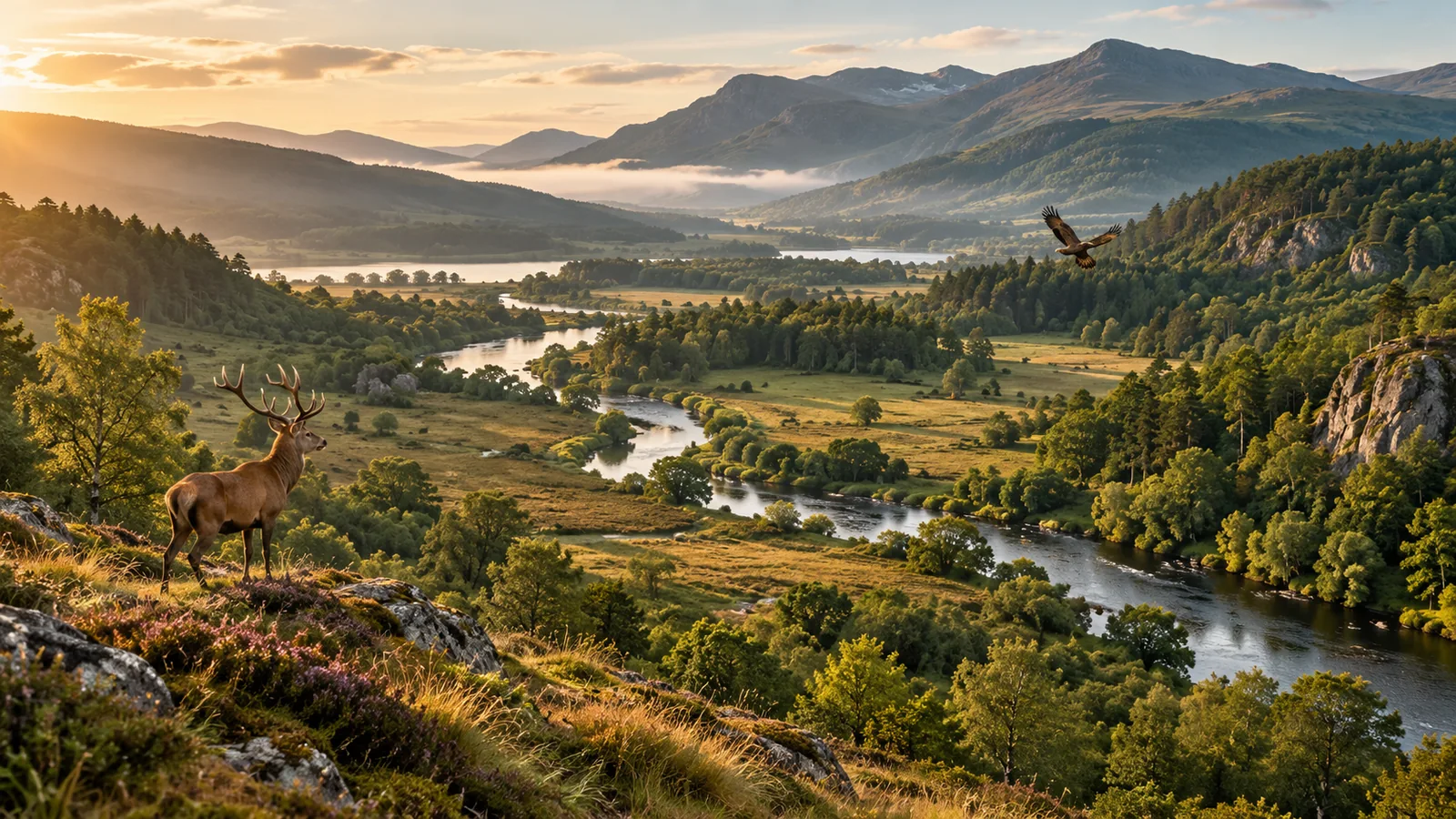
Begin with a subject rather than a list of animals. You might want to understand old forests, observe birds in a mountain valley or learn how communities live alongside large carnivores. That focus helps distinguish a meaningful itinerary from one built around spectacular but uncertain encounters.
Choose activities whose value survives a missed sighting. A guide who can interpret woodland structure or explain a landscape's history offers something dependable without controlling wildlife. Write down two or three learning goals before comparing providers, and use them to judge what the itinerary actually delivers.
Pick one region before adding countries
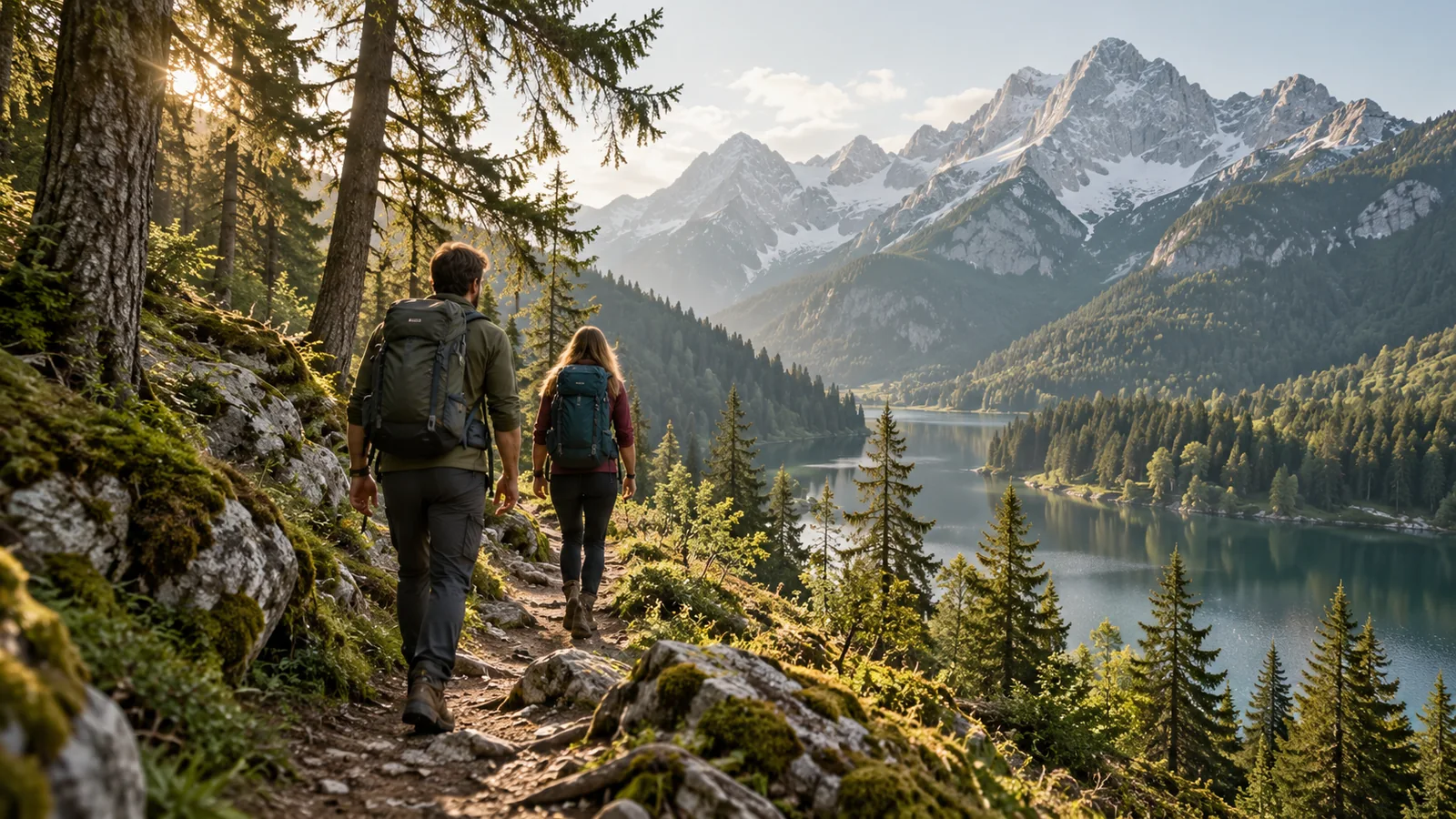
Long distances between headline places can consume the trip. A few nights in one base allow for weather, local knowledge and an unhurried second outing. They also reduce the number of transfers, check-ins and days spent carrying luggage.
Our destination guides cover Poloniny, Slovenia, Croatia and Bulgaria. They are starting points for choosing a landscape, not promises of fixed packages. Once you have a region, investigate its particular access and seasonal conditions.
Plan transport backward from the activity
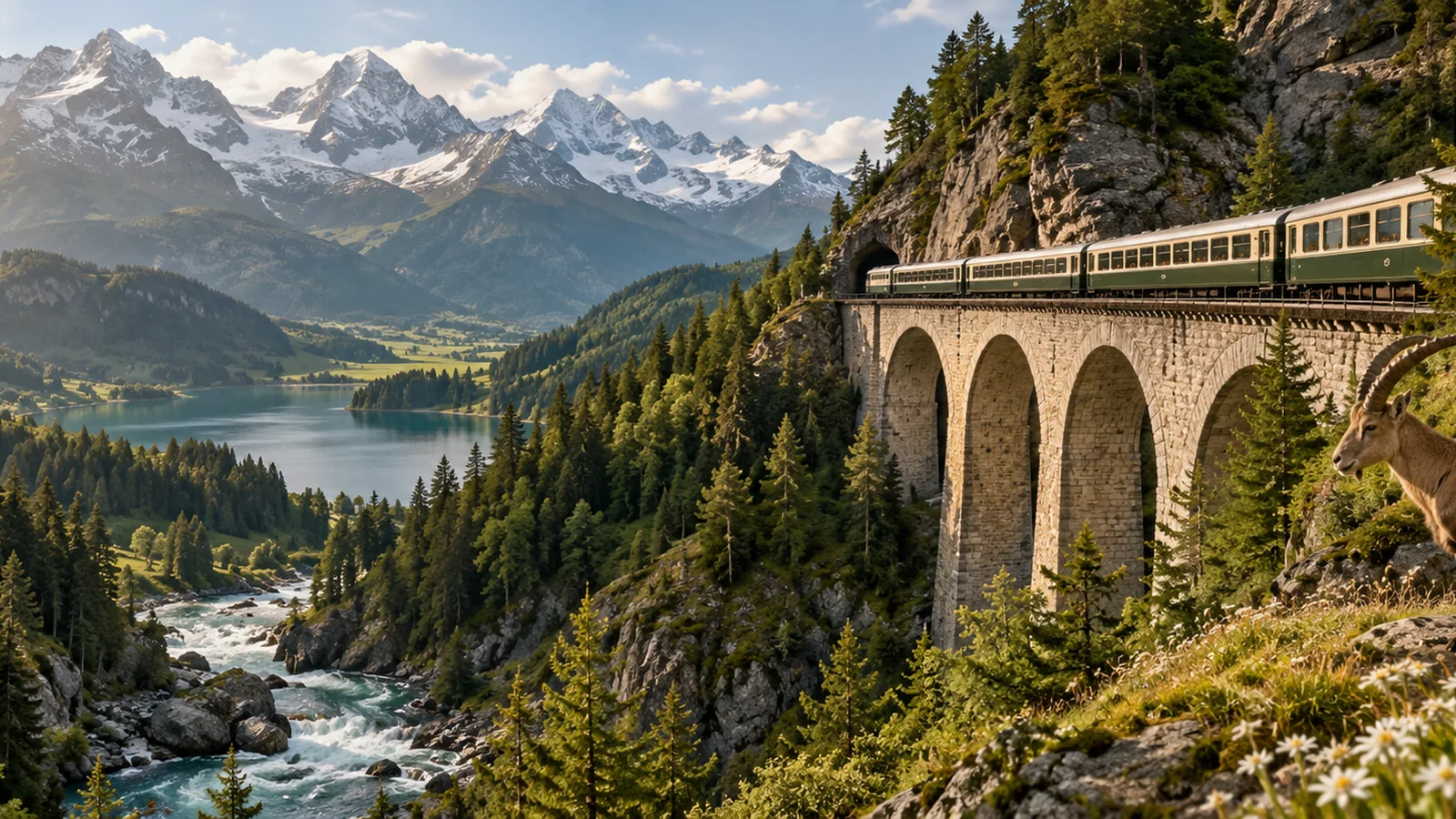
Identify the accommodation, meeting point and final transfer before committing to an international route. A train can bring you most of the way while leaving a difficult rural connection. Ask providers which gateway works and whether shared transport can be arranged.
Compare a direct route with a slower one that includes an overnight stop. The best choice depends on time, cost, accessibility and how much disruption you can absorb. Avoid attaching an unsupported carbon saving to the itinerary; route-specific comparisons need clear assumptions and suitable evidence.
Use specific questions to select a guide
Ask who leads the activity, what experience is relevant and how the route is permitted. Clarify group size, walking difficulty, facilities and the response to bad weather. For wildlife observation, ask how disturbance is avoided and what happens if animals do not appear.
A responsible answer includes limits. Be cautious about guarantees of close encounters or special access that cannot be explained. If the outing involves feeding, handling or a rehabilitation site, ask what purpose the practice serves and who authorizes it. Conservation language does not remove the need for scrutiny.
Separate accommodation comfort from green claims
Comfort and care for the environment can coexist, but neither proves the other. Ask about practical matters: waste handling, water use, energy, transport and food sourcing. A property should be able to describe what it does without claiming that every choice is harmless.
Location also matters. An apparently remote lodge may require a lengthy private transfer for every activity. A modest village stay closer to suitable walks can be easier to use well. Choose the whole arrangement, including meals and transport, rather than a room photograph in isolation.
Examine claims about conservation contributions
If a fee is said to support conservation, ask how much goes where and what work it helps fund. A named programme and a transparent mechanism are more useful than a vague promise that tourism saves wildlife. Avoid implying that your booking offsets all the impacts of the trip.
Donations do not buy permission to approach animals or enter closed areas. Volunteering also needs care: the activity should have genuine value, suitable supervision and a clear reason for visitor participation. Do not relocate wildlife, plant species or alter habitat independently.
Set an observation code before traveling
Stay at an appropriate distance and follow the guide's instructions. Do not feed, pursue or surround animals. Keep noise and light low where required, stay on permitted routes and avoid posting sensitive locations. A photograph is optional; wildlife welfare is not a negotiable part of the itinerary.
Keep food and waste secure and learn local rules for dogs. Do not assume that advice for one species or region applies everywhere. For large-carnivore country, consult current authoritative local guidance and discuss the particular activity with the provider before departure.
Pack less, but pack for the conditions
Choose luggage you can carry through the transport system and clothing that works in layers. Bring weather protection, appropriate footwear and the essentials for the planned time outdoors. Reuse serviceable equipment rather than buying a new version of every item marketed for sustainable travel.
Keep medication, documents and important contact details accessible. Save maps and booking information offline. If you need station assistance, accessible accommodation or adapted transfers, confirm each component directly and retain the details in writing. General assurances are less useful than specific measurements and arrangements.
Leave space for the local economy
Use locally provided guiding, meals and accommodation where they suit your needs. Pay fairly and respect booking and cancellation terms. Ask before photographing people, entering private land or treating a working village as an attraction.
A longer stay can create time for ordinary interactions as well as wildlife. Learn a few courteous phrases and ask practical questions without expecting residents to be available as unpaid guides. Supporting a place includes respecting its daily life, not only spending money there.
Keep a small plan for uncertainty
Have an alternative for a closed trail, delayed train or canceled observation. Protect a rest day and avoid scheduling the most demanding activity immediately after arrival. Flexibility reduces pressure to continue in unsuitable conditions or demand that a provider manufacture an encounter.
After the trip, describe it accurately. Separate what you saw from what a guide explained, and identify generated or illustrative images. Honest reporting helps future travelers form expectations that do not put additional pressure on animals or communities.
Common decisions
Is flight-free enough to make a trip sustainable?
No. It addresses one part of the journey. Accommodation, activities, land access and behavior still matter.
Should I avoid every guided wildlife activity?
No. Choose carefully and investigate its practices. Good interpretation can make a visit more thoughtful and help visitors respect local rules.
What is the most useful first step?
Choose one landscape and confirm how to reach your actual base. Then build the rest of the trip around it.
Travel with fewer promises
A thoughtful holiday does not need a claim of perfection. It needs realistic plans, transparent providers and enough patience to let a wild place remain wild.
Source notebook
References & further reading
Sources checked 31 October 2026. These references support the geographic and ecological context. Planning recommendations are editorial advice; confirm current access, services and activity arrangements directly.