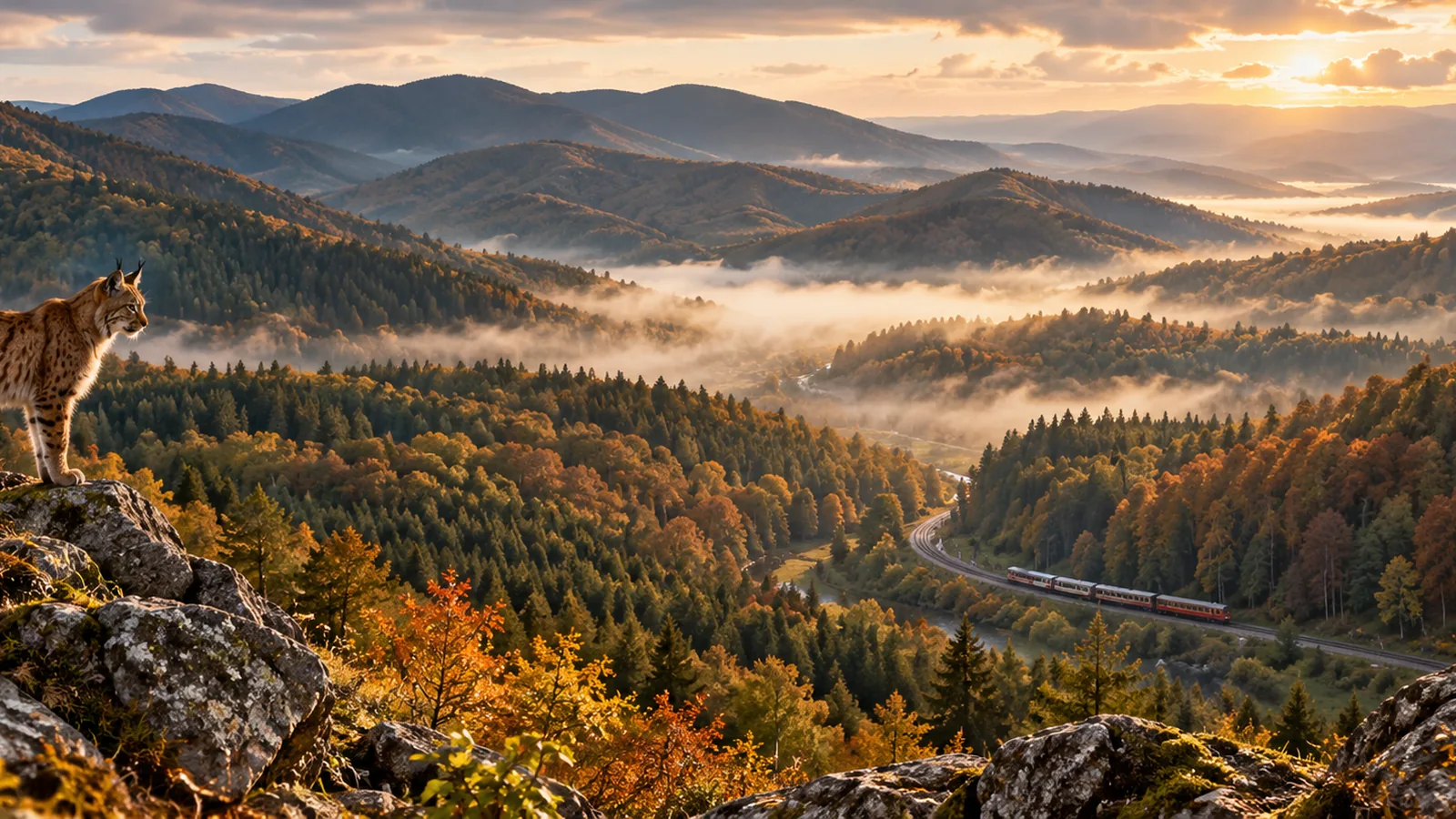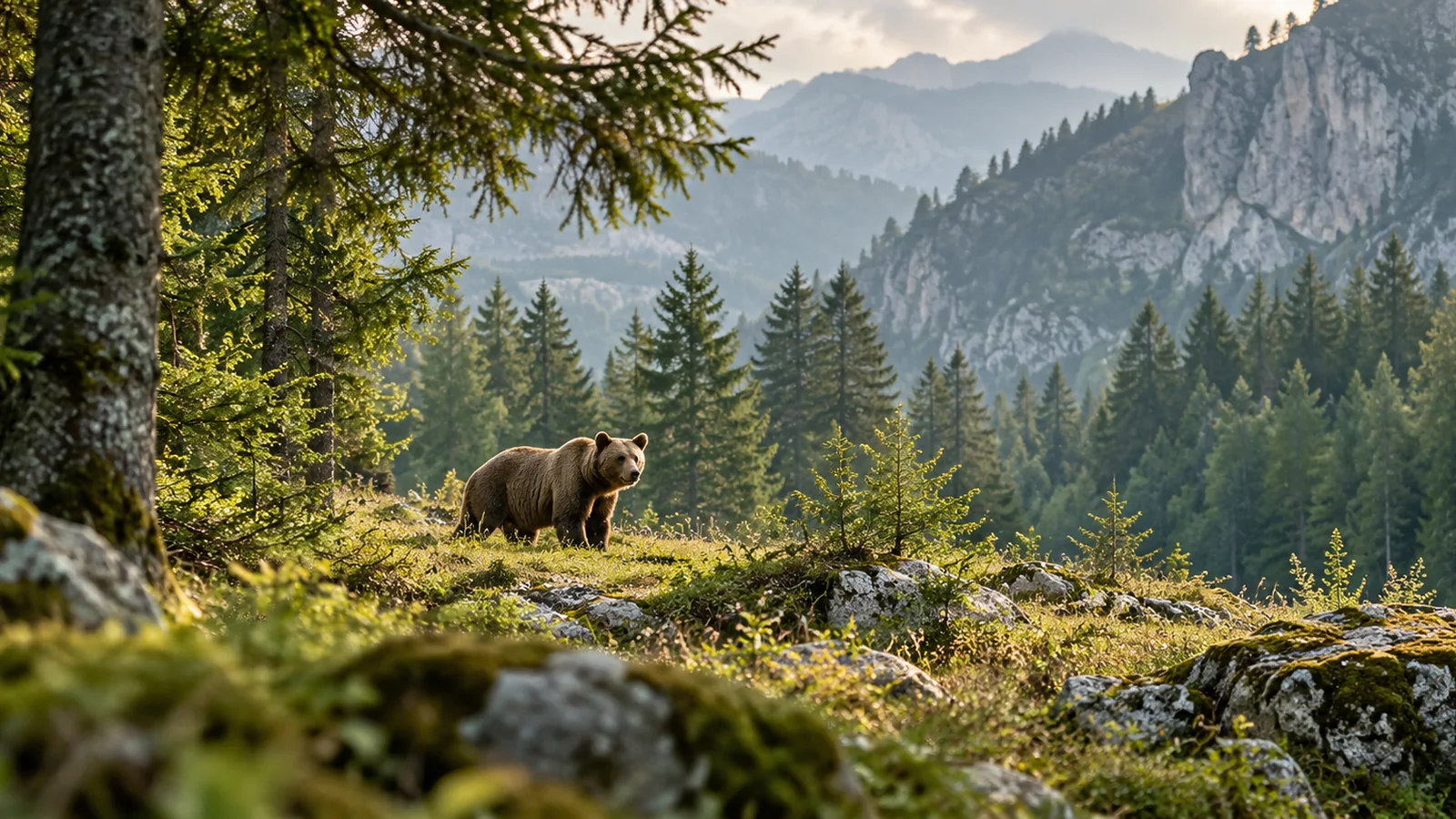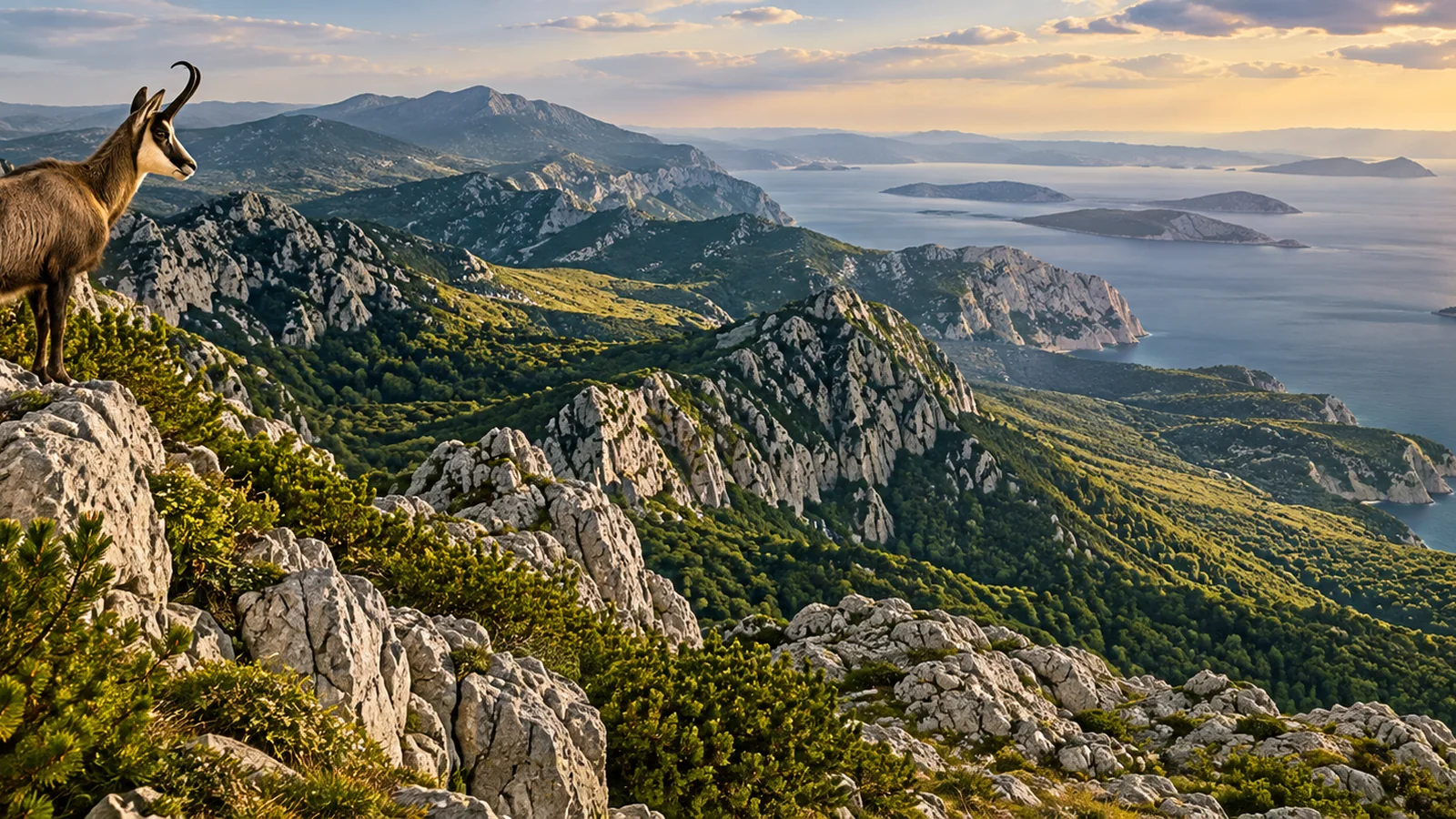
Croatia's nature travel extends well beyond the coast. Velebit's mountains, forests and limestone landscapes offer a different itinerary, shaped by weather, protected-area rules and time outdoors. Plan a visit around permitted walks and ecological interpretation, with wildlife observation as a possibility rather than the sole measure of a successful day.
Change the scale of the itinerary
Coastal travel often encourages short stops linked by a car journey. Mountain country rewards a slower approach. A place that appears close to the sea can involve a substantial climb, changing conditions and a road that needs its own access check.
Choose one inland base before adding more. Ask how far it is from the visitor facilities and trailheads you plan to use. A hotel with a mountain view does not necessarily provide useful access to a national park. Consider food availability, daylight and the return journey as part of the same decision.
Start with Northern Velebit's visitor information
Northern Velebit National Park's visitor guidance emphasizes current road and path conditions. Its opening and access arrangements are weather-dependent, so a date on an old itinerary should not be treated as a promise. Check the official notices before setting out and again if conditions change.
Velebit House in Krasno is the park's visitor and information centre. It offers a way to learn about geology, habitats and the underground landscape before choosing an outing. An interpretation visit is also a sensible alternative when weather makes exposed ground unsuitable. Check current opening arrangements directly.
Read the karst as a living landscape
Limestone terrain can appear spare from a distance, yet small changes in aspect, shelter and moisture create different conditions. Forest, rocky ground and open patches can sit close together. A guide can help explain how geology and weather influence what grows and where animals move.
Stay on established permitted routes. Loose stone, hidden holes and fragile ground make an improvised shortcut a poor idea. Caves and other underground features require specific permission and expertise; a visible opening is not an invitation to enter. The visitor centre can provide context without putting visitors or sensitive habitats at risk.
Wildlife watching without a checklist race
A mountain day can include birds overhead, tracks on a path and the quieter evidence of feeding or nesting. Ask which observations are realistic for the season and route. Do not expect every animal associated with the wider region to be visible on a short visit.
For large mammals, choose competent interpretation rather than independent pursuit. Never follow an animal into cover or approach young wildlife. Keep food and rubbish secure and respect instructions for dogs. Our Slovenia wildlife guide discusses why large-mammal activities need careful selection and realistic expectations.
Let weather change the plan
Coastal sunshine does not establish safe mountain conditions. Wind, low cloud, rain and temperature changes can alter an outing quickly. Carry appropriate clothing and obtain a forecast relevant to the elevation and location, rather than relying on the nearest seaside town.
Set a turnaround point and keep enough daylight for the return. If a route is closed, do not search social media for a way around the restriction. Shorter permitted walks, village time and indoor interpretation can form a worthwhile day. A flexible itinerary is a practical safety measure, not a compromise in the quality of the trip.
Plan the arrival as carefully as the walk
Rail or coach can bring you toward the region, but a final transfer may be needed. Confirm the actual gateway and the availability of onward transport. Do not assume that a bus connecting towns also reaches a park entrance at a useful time.
If driving is necessary, check official road conditions, parking arrangements and return options. Ask whether payment, tickets or entry need advance attention. Keep emergency access clear and park only where permitted. A quiet roadside is not automatically a lawful or environmentally suitable place to leave a vehicle.
Choose a base that supports a slower stay
A village guesthouse can help spread spending beyond the busiest coastal stops. Ask about locally provided meals, guiding and transport without assuming that every host supplies all three. Clear requests in advance are easier for small businesses to accommodate.
Stay long enough to separate travel from activity. Arriving after a long drive and immediately starting a demanding walk can turn a manageable route into a tiring one. A first evening for orientation and a full walking day afterward often creates a more comfortable rhythm.
Connect the experience to conservation
Protected landscapes are not empty spaces kept solely for visitors. They involve management, local livelihoods and choices about access. Ask how fees are used and what behavior reduces disturbance. An official ticket or lawful guide service is more useful than a vague claim that any tourism automatically helps nature.
The ideas in our rewilding explainer can help frame questions about ecological processes. Keep the terms distinct: a national park and a rewilding initiative are not interchangeable labels. Learn what is actually happening in the place you visit.
A compact day-before checklist
Confirm the route is open, check weather, save relevant information offline and tell someone your plan. Pack water, food, layers and footwear suited to the ground. Establish how you will return if transport changes or the walk ends early.
For accessibility needs, request precise information on gradients, surface, facilities and drop-off distance. A scenic viewpoint can still require a difficult approach. Ask the park or provider for the specific details needed to decide, rather than relying on a general description of an easy visit.
Practical questions
Can I visit Velebit as a coastal day trip?
Some visits may work that way, but check driving time, conditions and the activity itself. Avoid fitting a demanding mountain walk into a rushed return schedule.
Do I need a guide?
It depends on the activity, access rules and your experience. A local naturalist can add ecological context even on a modest outing.
Is the park always accessible?
No. Conditions and seasonal arrangements can affect access. Consult current official notices.
Keep the inland journey its own experience
Croatia's mountains deserve more than the time left over after the coast. Give them a considered itinerary, and the relationship between stone, forest and rural life becomes the story.
Source notebook
References & further reading
Sources checked 31 October 2026. These references support the geographic and ecological context. Planning recommendations are editorial advice; confirm current access, services and activity arrangements directly.